Cairo Table
Our story

How Cairo Table began

Cairo Table started in a Maadi apartment in early 2018, out of frustration more than ambition. Yara Mansour had been writing about Egyptian food for a regional lifestyle magazine, and she kept running into the same problem: the editorial budget required sponsored features, which meant the guide was less a guide than an advertisement dressed up in editorial language. Hotels got reviewed because they bought ads. Restaurants appeared on lists because they offered comped meals. The food that Cairenes actually ate — the legendary koshari counter on Talaat Harb, the ful cart that opened at five in the morning in Heliopolis, the hole-in-the-wall hawawshi in Abbassiya — went unmentioned.

She began publishing informally: a set of notes shared among friends relocating to Cairo, updated as she ate around the city on her own account. Sherif Adel, then working as a freelance photographer, contributed the first systematic survey of street food stalls in Downtown Cairo and Bulaq. The notes grew into something more structured — neighbourhood by neighbourhood, dish by dish — and by mid-2018 Cairo Table Dining Guide L.L.C. was formally registered in Cairo with the Egyptian Tax Authority and the Commercial Registry.

From the beginning the rule was simple: we pay for everything we write about. Every bowl of koshari, every plate of mixed grill, every qatayef at Ramadan — bought at the counter like anyone else. If a restaurant offers a comped meal, we decline and pay the bill ourselves. This is not a heroic policy; it is just the minimum required for the writing to mean anything. The moment you owe someone a favour you can no longer tell your readers the truth.

How we test

Multiple visits, paid tabs, no exceptions

A single visit is not enough to form a reliable opinion. Kitchens have off nights, staff changes, supply disruptions. Any restaurant can produce one good meal. Our standard is a minimum of three visits to a place before we write it up — spread across different times of day and week, with different dishes ordered each time. For street food stalls, which operate on shorter windows and serve a narrower range, two visits are the minimum. We note when something has changed since a previous visit: a price increase, a different cook, a neighbourhood stall that has relocated.

We also listen to the people who eat in Cairo every day. Taxi drivers, doormen, school teachers, office workers — people with no stake in our recommendations — are the most reliable index of where something is genuinely good. If a place is mentioned unprompted by three or four unconnected locals, it goes onto our list to visit. This is how we found some of our most-loved spots: the fattah restaurant in Rod el-Farag that has been feeding construction workers and clerks for three decades, the mahshi specialist in Zeitoun who makes them the way his grandmother did in the Delta.

We write in English because much of our audience is visiting Cairo or recently arrived, but the food we cover is overwhelmingly Egyptian — the food Egyptians eat, priced at what Egyptians pay, with honest notes on which places have started pricing for tourists and which have not. We include price bands in Egyptian pounds (EGP) throughout the guide. Prices shift with inflation and season, so we flag when something was last verified.
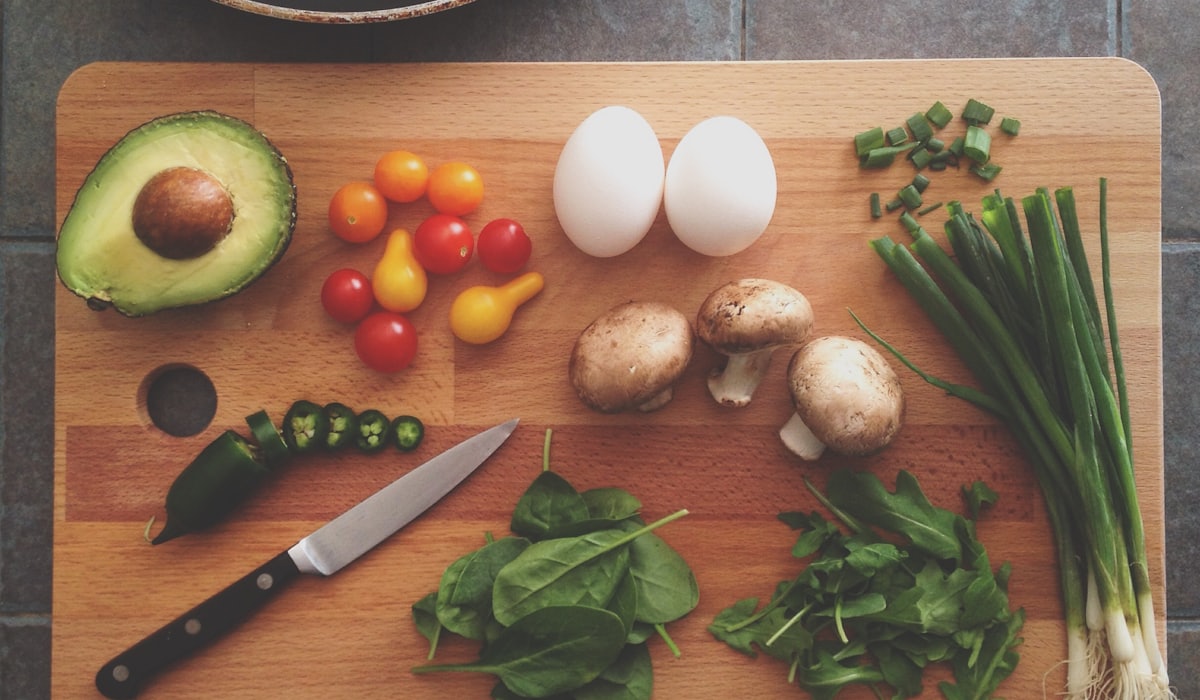
The Cairo Table team at work in a local Cairo kitchen

The short version

Founded 2018. Self-funded throughout. We have never accepted a sponsored placement, a free meal in exchange for coverage, or payment of any kind to feature a restaurant.

Ask us anything →

What we stand for

Our values, plainly stated

1

Independence, absolutely

We accept no money, meals, gifts or discounts from restaurants, suppliers, tourism boards or anyone with a commercial stake in our recommendations. Independence is the only thing that makes a dining guide worth reading — if we compromise it for one listing, the entire guide becomes suspect. We will never do it, and we publish this standard publicly so readers can hold us to it.

2

Accuracy over promotion

We write about places as they are, not as they wish to be presented. That means noting when the service is rough, when a beloved dish has declined in quality, or when a neighbourhood classic has priced itself out of what made it worth visiting. We update our write-ups when things change. An honest negative note is more useful to a reader than polished promotional language that sends them to a disappointing table.

3

Context, not just lists

Knowing that a restaurant exists is less useful than knowing why it matters, what to order and how to navigate the experience. We try to give enough background — on the dish, the neighbourhood, the cultural context — that a reader arrives informed and curious rather than just hungry. Egyptian food has centuries of history and enormous regional variation. A list of names without explanation serves no one well.

The people behind the writing

Our team

Four people, a combined five decades of eating across Egypt, and one shared rule: we pay our own way.

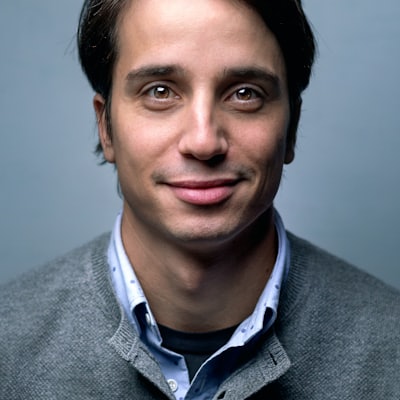
Yara Mansour, founder of Cairo Table

Yara Mansour

Founder & lead writer

Yara was born in Alexandria and moved to Cairo for university, where she discovered that the city's food culture was far larger and stranger than she had imagined. She trained as a journalist, wrote about food and culture for regional magazines for several years, and founded Cairo Table in 2018 after deciding that honest editorial and sponsored content could not coexist in the same publication. She is the primary author of the regional dishes guide and the restaurant profiles. She lives in Maadi with her family and her extremely opinionated views on where Cairo's best koshari is served. She eats out five or six evenings a week and is probably responsible for a not insignificant share of the revenue of several ful carts in the Maadi and Zamalek areas.

Sherif Adel, street food scout at Cairo Table

Sherif Adel

Street food scout

Sherif has walked more of Cairo's streets than almost anyone we know, and he has been cataloguing what he finds to eat along the way since he was a teenager in Shubra. His background is in documentary photography and he originally joined Cairo Table to provide images, but it became apparent within a few weeks that his knowledge of street food — its geography, its seasonality, its pricing, its best practitioners — was too valuable to limit to a caption. He now leads all street food coverage for the guide, spending early mornings at ta'ameya carts and late afternoons at the liver-sandwich counters of Ramses. He knows which hawawshi bakeries in Abbassiya start their ovens earliest, which koshari counters in Downtown are still using the same recipe from thirty years ago, and which liver sandwich spots will serve you at midnight without question. His street food guide is the most thorough piece of writing on the subject we know of in English.

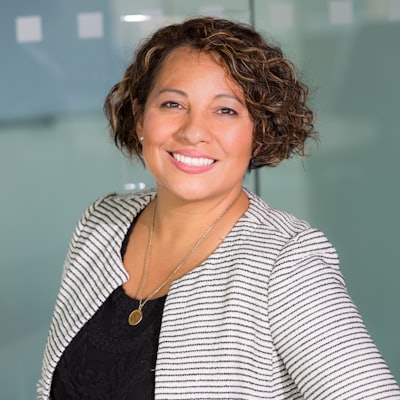
Mona Tadros, recipes and regional specialist at Cairo Table

Mona Tadros

Recipes & regional dishes

Mona grew up between Cairo and the Nile Delta town of Tanta, and her cooking education was almost entirely domestic — from a grandmother who made molokhia, mahshi and fattah as naturally as breathing, and who had strong opinions about every shortcut in the kitchen. Mona studied agriculture and food science at Cairo University, then spent several years working in food consultancy before joining Cairo Table as regional dishes specialist. Her role is to explain not just where to eat a dish but what makes it what it is: the ingredients, the regional variations, the seasonal logic. Her write-ups of molokhia, mahshi, fattah and the Delta's reed-cooked fish dishes are the most detailed we know of in any English-language source. She also oversees the regional dishes guide and the vegetarian section, both of which owe their depth to her particular combination of culinary knowledge and agricultural context.

Adham Lotfy, tours and logistics at Cairo Table

Adham Lotfy

Tours & logistics

Adham's background is in tourism logistics — he spent eight years managing ground operations for a European tour operator's Egypt programme before joining Cairo Table. He brings two things the rest of the team lacks: a systematic understanding of how visitors experience the city for the first time, and a forensic eye for the practical details that make or break an evening out. He designs all of the guided food tour routes, manages the logistics of group evenings, and writes the sections of the guide concerned with practical navigation — getting around, tipping culture, the etiquette of ordering at a street stall. He speaks Arabic, English, French and enough Italian to manage a tour group of mixed nationality without losing anyone. His food tour packages are built around the principle that the best way to understand a cuisine is to eat it in context, with someone who can explain what you're tasting and why it tastes that way.

Eight years of eating

Cairo Table in numbers

2018

Founded

Launched from Maadi, Cairo, with a set of shared notes that grew into a full dining guide.

400+

Places visited

Restaurants, street stalls, bakeries, patisseries and ahwa cafés across Cairo's neighbourhoods — paid for, not comped.

14

Cairo districts covered

From Downtown and Garden City to Heliopolis, Shubra, Zamalek and points south, east and north.

0

Sponsored placements

Paid-for features, comped meals accepted in exchange for coverage, or affiliate commissions — ever.

Eight years, one direction

A brief history of Cairo Table

2018

The beginning in Maadi

Cairo Table is founded by Yara Mansour and registered as Cairo Table Dining Guide L.L.C. with the Egyptian Tax Authority (ETA Tax ID 638-512-907) and the Commercial Registry (No. 372089). The first content published covers koshari, ful and ta'ameya across Downtown Cairo. Sherif Adel joins as the street food correspondent.

2019

Expansion to full neighbourhood guides

The guide expands from individual dishes to full neighbourhood write-ups: Zamalek, Heliopolis, Mohandessin, Rod el-Farag, Shubra. Mona Tadros joins as the regional dishes specialist. The Delta, Upper Egypt and Alexandria sections begin to take shape, tracking how Egyptian cuisine varies as you move away from Cairo.

2020–21

Working through difficult years

The period of restricted movement that affected restaurants worldwide also changed Cairo's food scene. Many places closed permanently; others pivoted to delivery and outdoor service. We documented which places survived and which didn't, and focused our coverage on helping readers understand what had changed and what remained unchanged in Cairo's resilient street food culture.

2022

Food tours launch

Adham Lotfy joins the team and the first Cairo Table guided food tours are offered. The initial route covers Downtown Cairo's street food and a sit-down grill: four hours, multiple stops, priced per person and limited to small groups. The tours sell out on first offering and we add a second route in Zamalek and the northern neighbourhoods by year-end. See the full range on the food tours page.

2023–24

Deeper regional coverage

Mona Tadros leads an extended survey of food in the Nile Delta — Tanta, Mansoura, Damietta — and Upper Egypt, from Minya to Aswan. The result is the most detailed English-language account of regional Egyptian cooking variation we know of. A new section on Egyptian desserts launches, covering patisseries, seasonal sweets and the ahwa café culture that anchors Egyptian daily life.

2025–26

Where we are now

Cairo Table continues to cover the Egyptian food scene with the same self-funded, no-placement editorial policy it has held since 2018. The full guide now covers fourteen categories of Egyptian food and dining culture. If you're planning a visit to Cairo and want a shortlist for your neighbourhood and tastes, get in touch — pointing visitors to the right tables is something we genuinely enjoy doing.

Planning a visit to Cairo?

Tell us your neighbourhood, your tastes and your timeline. We'll send you a shortlist that's worth your calories and your evening.