National dish
Koshari
Rice, lentils, pasta and chickpeas under a spiced tomato sauce, crispy onions and a splash of garlic vinegar. Egypt's beloved street meal, cheap and addictive — we name the legendary counters.
About the dishes →Egyptian food is one of the great unsung cuisines — koshari from a corner stall, slow-cooked fattah, fresh-baked baladi bread, ta'ameya hotter and greener than any falafel abroad. But visitors miss most of it, steered toward hotel buffets and tourist traps. Cairo Table is an independent guide written by people who actually eat here: what to order, where it's done best, and how to navigate a menu with confidence. No sponsored "top tens" — just where we'd send a friend.
Whether you've got one evening or a whole week, start with what you're hungry for.
Want to know what koshari, molokhia or hawawshi actually are before you order? Our regional dishes guide explains the staples, how they're eaten and what they should cost, so you're never guessing at the counter.
Looking for a specific kind of meal — a buzzing street stall, a proper sit-down grill, a quiet vegetarian spot? We point you to where each is done well across Cairo's neighbourhoods, with honest notes on each.
Short on time or want it organised? Our guided food tours walk you through a neighbourhood's best bites in an evening, with the context that turns a meal into an understanding.
The dishes and experiences we'd put at the top of any first visit, chosen because they are genuinely good, easy to find, and representative of how the city actually eats. Full, honest guides on each linked page.
Rice, lentils, pasta and chickpeas under a spiced tomato sauce, crispy onions and a splash of garlic vinegar. Egypt's beloved street meal, cheap and addictive — we name the legendary counters.
About the dishes →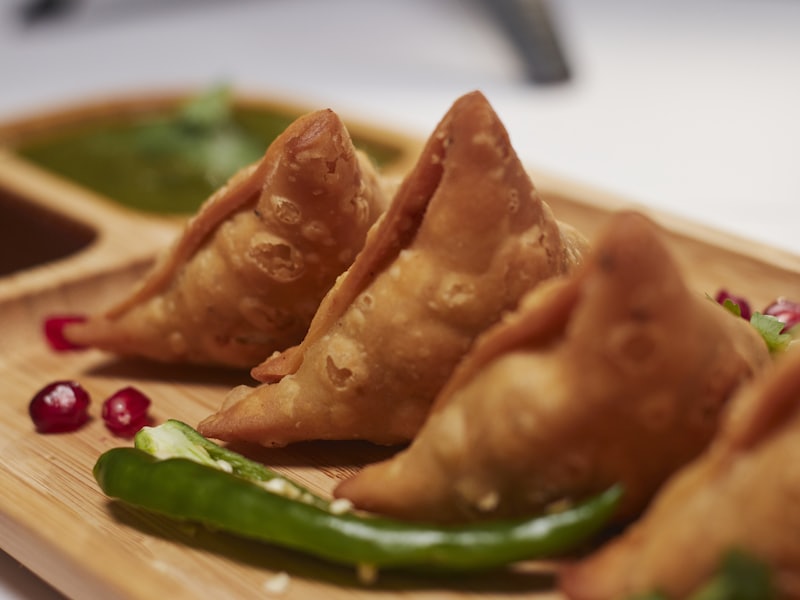
The morning of Egypt: slow-stewed fava beans and bright-green fava falafel, in a fresh baladi loaf. Where to find the best, and how to order it like a local.
Street food →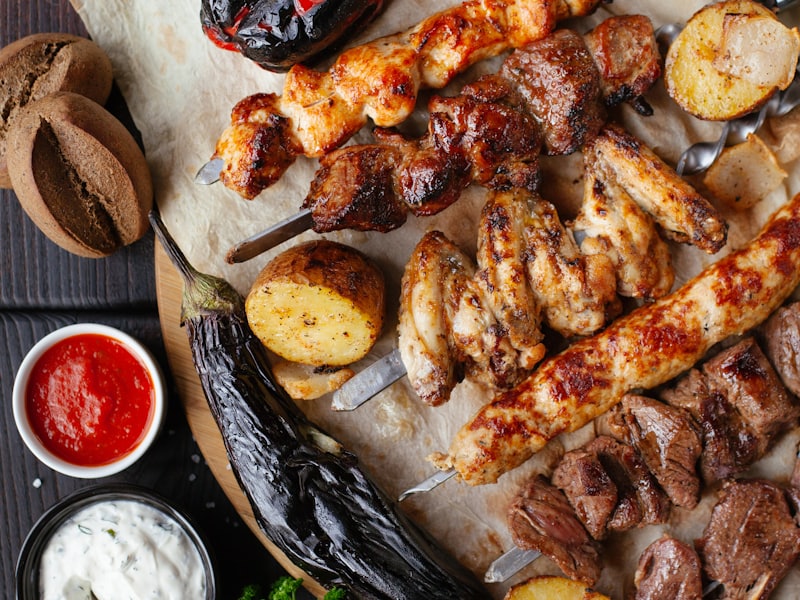
Kofta, kebab, grilled pigeon and mezze — the classic restaurant meal. We list the grills worth the trip across Cairo, from old institutions to neighbourhood favourites.
Restaurants →
Konafa, basbousa, om ali and the syrup-soaked rest. Egypt's sweet tooth runs deep, and the best patisseries are an experience of their own.
Desserts →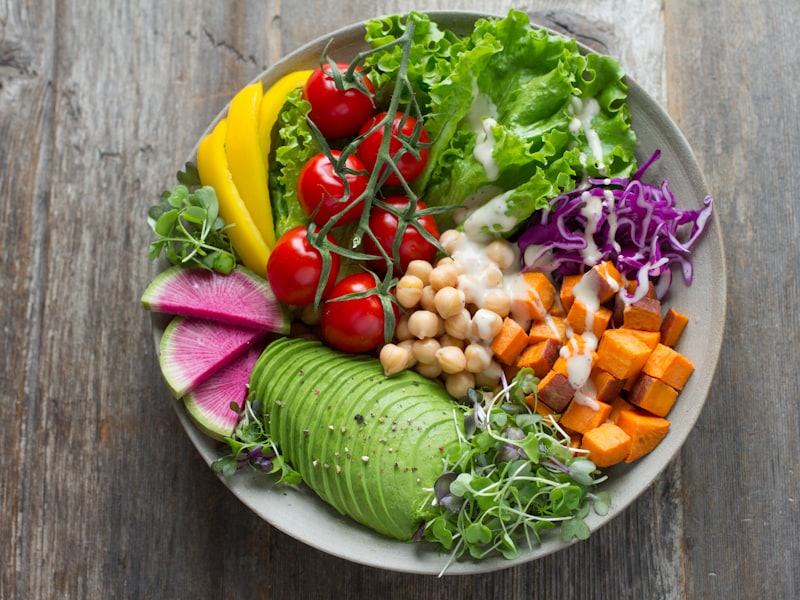
Much of the everyday table is naturally meat-free — koshari, ful, molokhia, mahshi. A genuinely easy place to eat vegetarian, once you know what to ask for.
Vegetarian →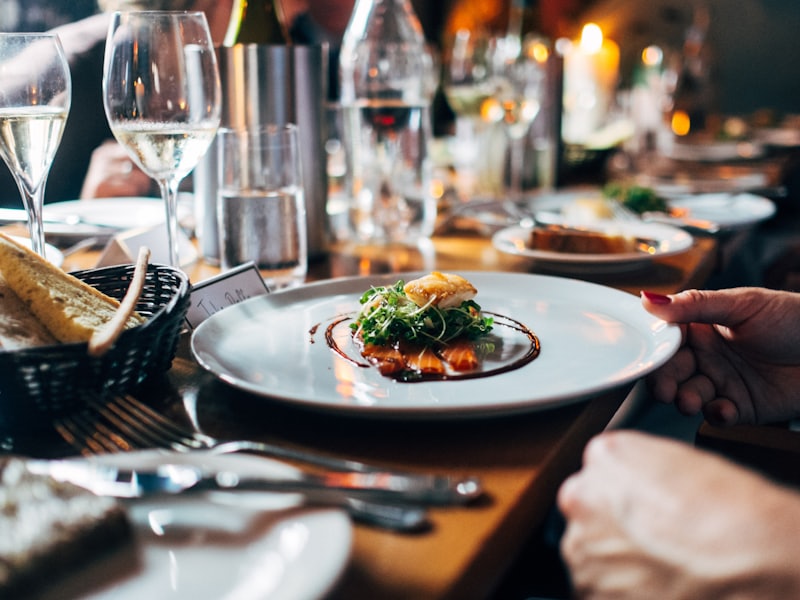
An evening walking a neighbourhood's best stalls and tables with someone who knows them — the fastest way to eat well and understand what you're tasting.
Food tours →Search "best restaurants Cairo" and you get sponsored lists, hotel concierges with kickbacks, and the same five tourist spots copied across a dozen sites. Meanwhile the koshari counter three streets over, beloved for forty years, never appears. Cairo Table exists to close that gap — to send visitors and curious locals to the food that's actually worth eating, regardless of who advertises.
We pay our own way at every place we write about, take no money to feature anyone, and update as places change. Read about how we work, learn the dining etiquette that makes ordering easier, or dive into the dishes themselves.
Visiting soon and want a shortlist for your neighbourhood and tastes? Tell us and we'll point you to the right tables.
It helps to know how Egyptians actually eat before you arrive. Breakfast is savoury and substantial — ful and ta'ameya with bread and pickles, not pastries. Lunch is the main meal of the day, often eaten mid-afternoon, and it is where the home-style dishes like molokhia, mahshi and fattah shine. Dinner runs late and light, and the country comes alive after dark, especially in summer and during Ramadan when whole neighbourhoods eat together after sunset. Knowing this rhythm changes where and when you go, and it is the kind of context our guides build in rather than treating a city's food as a checklist of dishes to tick off.
No comped dinners, no paid placements, no affiliate menus. Every single recommendation on this guide is somewhere we have paid for and would gladly spend our own money at again — which is the only honest test that really matters.
Largely yes, if you choose well: busy stalls with high turnover, food cooked fresh and hot in front of you, and places locals queue at. We flag the categories to be cautious with and the ones that are reliably fine on our street food page. Most visitors who get unwell do so from tap water and ice, not cooked street food.
Start with koshari, ful and ta'ameya, and a mixed grill with mezze. They're the backbone of the cuisine, widely available and hard to dislike. Our dishes guide walks through each so you order with confidence.
Very well. A large share of the everyday Egyptian table is plant-based by default — koshari, ful, molokhia (ask for the vegetarian version), mahshi and bean dishes. Our vegetarian guide covers what's naturally meat-free and the phrases to confirm it.
Street food is very cheap — a generous koshari runs a few dollars' equivalent. A sit-down grill with mezze for two is still modest by international standards. We give rough price bands on each guide so you know what's fair and when you're being overcharged.
Tipping (baksheesh) is customary — around 10% in restaurants, small change at casual spots. We cover the etiquette of tipping, ordering and table manners in detail on our dining etiquette page.
Tell us your neighbourhood, your tastes and how adventurous you are. We'll send a shortlist worth the calories.
Get recommendations